- Jun 25, 2024
Exploring the Extents of the Volga River!
- Hassan El-Zein
- 0 comments
The Volga River, the longest river in Europe, flows through Russia, which boasts the world's most extensive network of waterways, including rivers, lakes, and canals.
The Volga-Baltic Waterway connects the Volga River with the Baltic Sea, providing a crucial navigable route through several major bodies of water. The waterway proceeds from the Volga River to Lake Onega, continues via the Svir River to Lake Ladoga (the largest lake in Europe), and finally reaches St. Petersburg through the Neva River, ultimately flowing into the Baltic Sea.
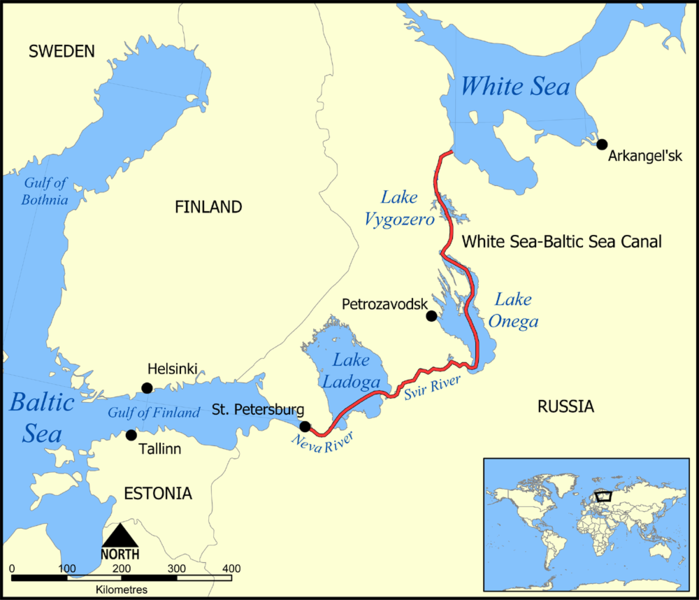
Image: White Sea Canal map-NormanEinstein-CC BY-SA 3.
Volgograd Port stands as one of the largest ports along the Volga River, situated near the Volga-Don Canal; another major port on the Volga river near the Caspian Sea is Astrakhan. Similarly, Rostov-on-Don port ranks among the Don river's largest ports.
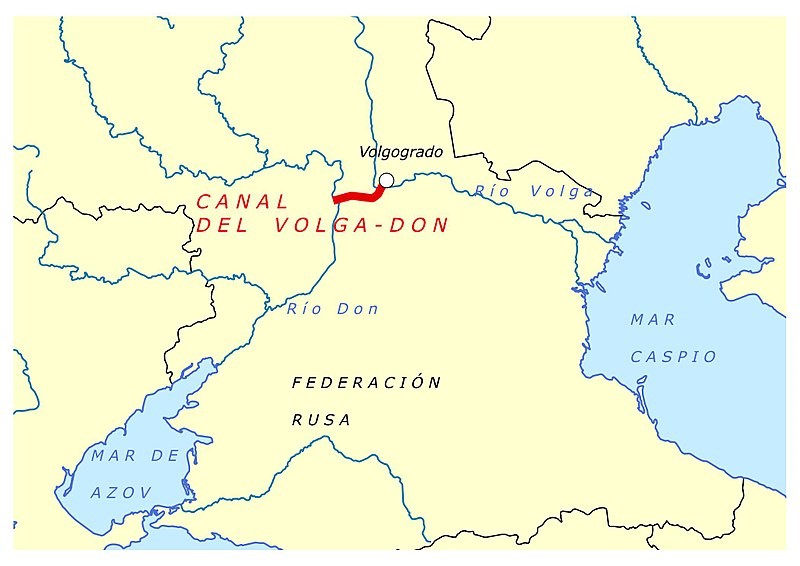
Image: Canalvolgadon-Nacle- CC BY-SA 4.0
One can travel by water all the way from the Caspian Sea to the Mediterranean Sea. The route goes through the Volga-Don Canal and the Sea of Azov (shallowest sea in the world), linking the Caspian Sea to the Black Sea. From there, the Black Sea is connected to the Sea of Marmara via the Bosporus Strait in Turkey. Some of the finest caviar in the world originates from the Caspian Sea region.
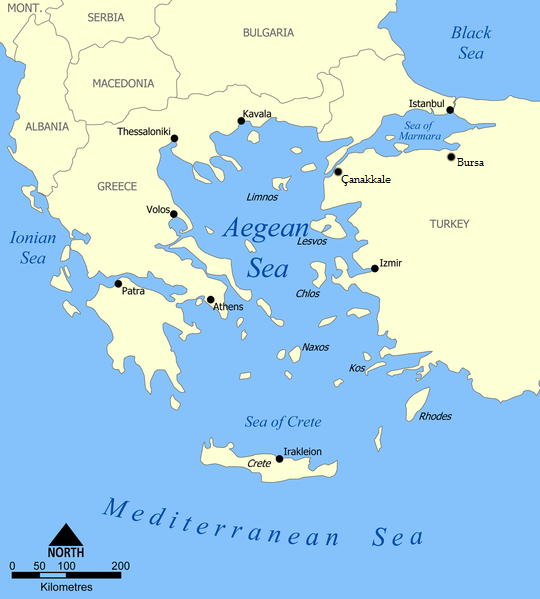
Image: Aegean Sea map -NormanEinstein-CC BY-SA 3.0
Transport from the Sea of Marmara can continue onward to the Mediterranean Sea through the Dardanelles Strait and the Aegean Sea. It is to be noted that the Mediterranean Sea, derived from Latin meaning "middle of the world," was referred to by the Romans as Mare Nostrum, meaning "our sea."
Navigating trade routes by water is invaluable, making it essential to master for freight forwarding, import, and export operations!